
Why Anxiety Feels Worse at Night—and What You Can Do About It
If you’ve ever noticed your anxiety intensifying at night- racing thoughts, a tight chest, restlessness, or a sense of dread as you try to fall asleep- you’re not alone. Many people report that anxiety feels louder, heavier, and more difficult to manage once the day slows down. This experience is not a personal failure or a sign that you’re “doing something wrong.” It’s often a reflection of how your nervous system responds to quiet, stillness, and reduced distraction.
Understanding why anxiety feels worse at night can help you meet yourself with compassion and develop strategies that support regulation rather than resistance.
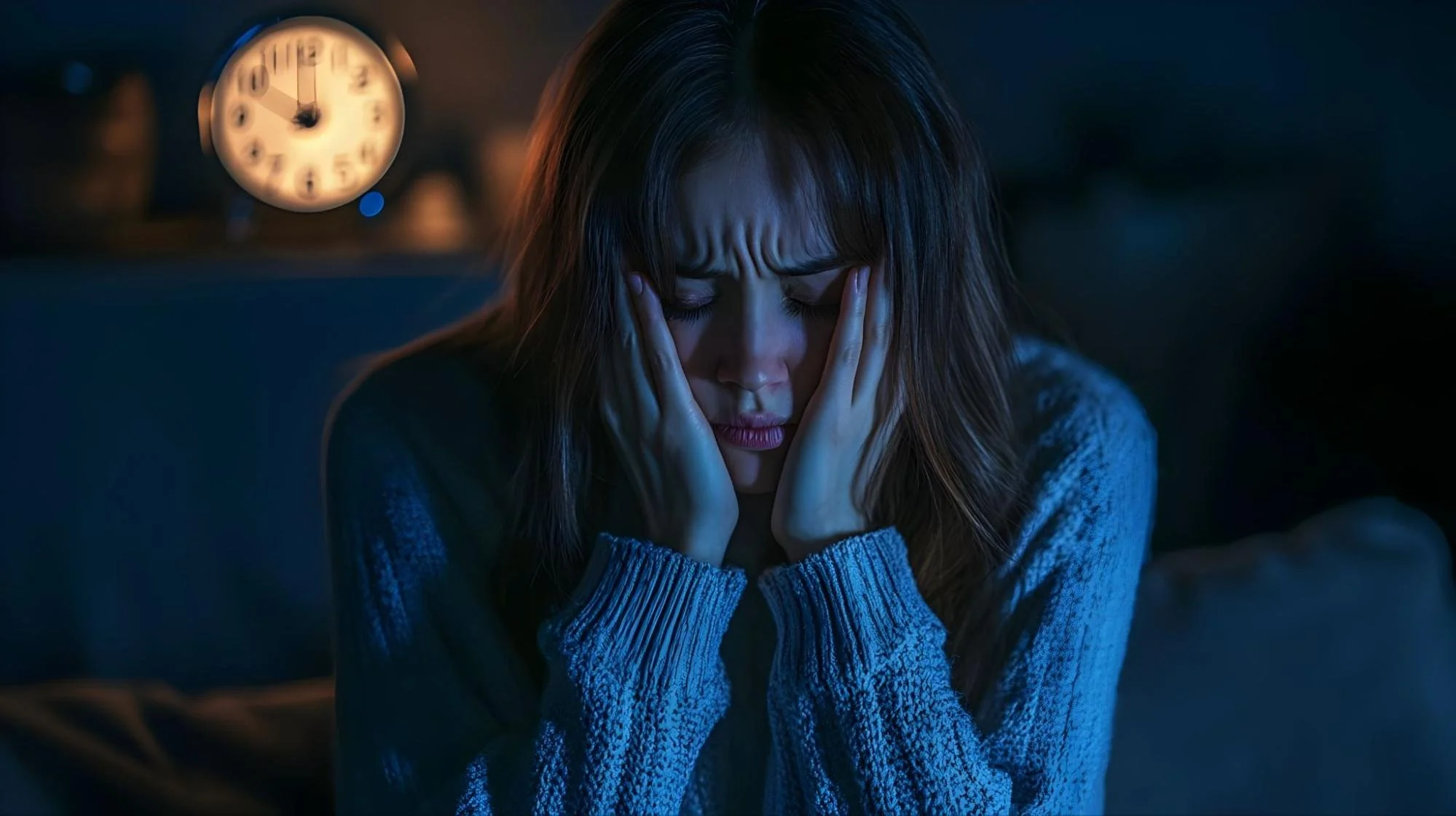
Why Anxiety Intensifies at Night
During the day, our minds and bodies are often occupied. Work, conversations, responsibilities, and movement provide structure and distraction. At night, those external demands fade, leaving more space for internal experiences to surface.
From a nervous system perspective, this makes sense. When stimulation decreases, unresolved stress, fear, or emotional material has more room to emerge. If you’ve been in survival mode, pushing through the day, managing responsibilities, or suppressing emotions, your system may finally slow down enough to notice what’s been held inside.
Several common factors contribute to nighttime anxiety:
Reduced Distraction
Without external noise, anxious thoughts can feel more intrusive. The mind may replay conversations, anticipate worst-case scenarios, or fixate on uncertainty.
Increased Body Awareness
At night, you may become more aware of physical sensations, such as heart rate, breathing, and tension, which anxiety can then interpret as danger.
Fatigue and Lower Emotional Resilience
When you’re tired, your capacity to regulate stress is naturally reduced. The prefrontal cortex (responsible for logic and perspective) becomes less active, while the brain’s threat system becomes more reactive.
Trauma and the Nervous System
For individuals with a history of trauma, nighttime can feel especially vulnerable. Darkness, stillness, or lying down may unconsciously signal danger to a nervous system that learned to stay alert to survive.
According to the American Psychological Association, anxiety is closely linked to the body’s stress response, which can become more pronounced when we’re no longer actively engaged in tasks.
The Relationship Between Anxiety and Sleep
Anxiety and sleep are deeply interconnected. Difficulty falling or staying asleep can increase anxiety, while anxiety itself disrupts sleep, creating a cycle that feels hard to escape.
The Sleep Foundation explains that hyperarousal, being mentally or physically “on edge,” makes it difficult for the body to enter restful sleep. When your nervous system remains on high alert, sleep can feel unsafe or elusive.
This doesn’t mean you need to force yourself to relax. In fact, trying to “make” anxiety go away often intensifies it.
What You Can Do About Nighttime Anxiety
Supporting nighttime anxiety is less about controlling thoughts and more about creating cues of safety for your nervous system.
1. Shift the Goal From Sleep to Safety
Instead of pressuring yourself to fall asleep, focus on helping your body feel safe enough to rest. Sleep often follows naturally when safety is established.
2. Create a Gentle Wind-Down Routine
Consistency matters more than perfection. Choose calming activities that signal transition, such as dimming lights, stretching, listening to soft music, or reading something neutral. This routine helps your nervous system anticipate rest.
3. Ground in the Body
Anxiety lives in the body as much as the mind. Try placing one hand on your chest and one on your belly, breathing slowly and allowing your exhale to be longer than your inhale. This activates the parasympathetic nervous system, which supports relaxation.
4. Externalize Anxious Thoughts
If your mind feels crowded, try writing your thoughts down before bed. You’re not trying to solve them—just giving them a place to land so your nervous system doesn’t have to hold everything at once.
5. Offer Yourself Reassurance
Silently or aloud, remind yourself: “I am safe right now. These sensations are uncomfortable, but they are not dangerous.” Compassionate self-talk can soften fear and reduce escalation.
6. Reduce Stimulation Without Total Silence
Complete silence can sometimes amplify anxiety. Gentle background noise, such as white noise or a calming podcast, can help anchor your attention and reduce hypervigilance.
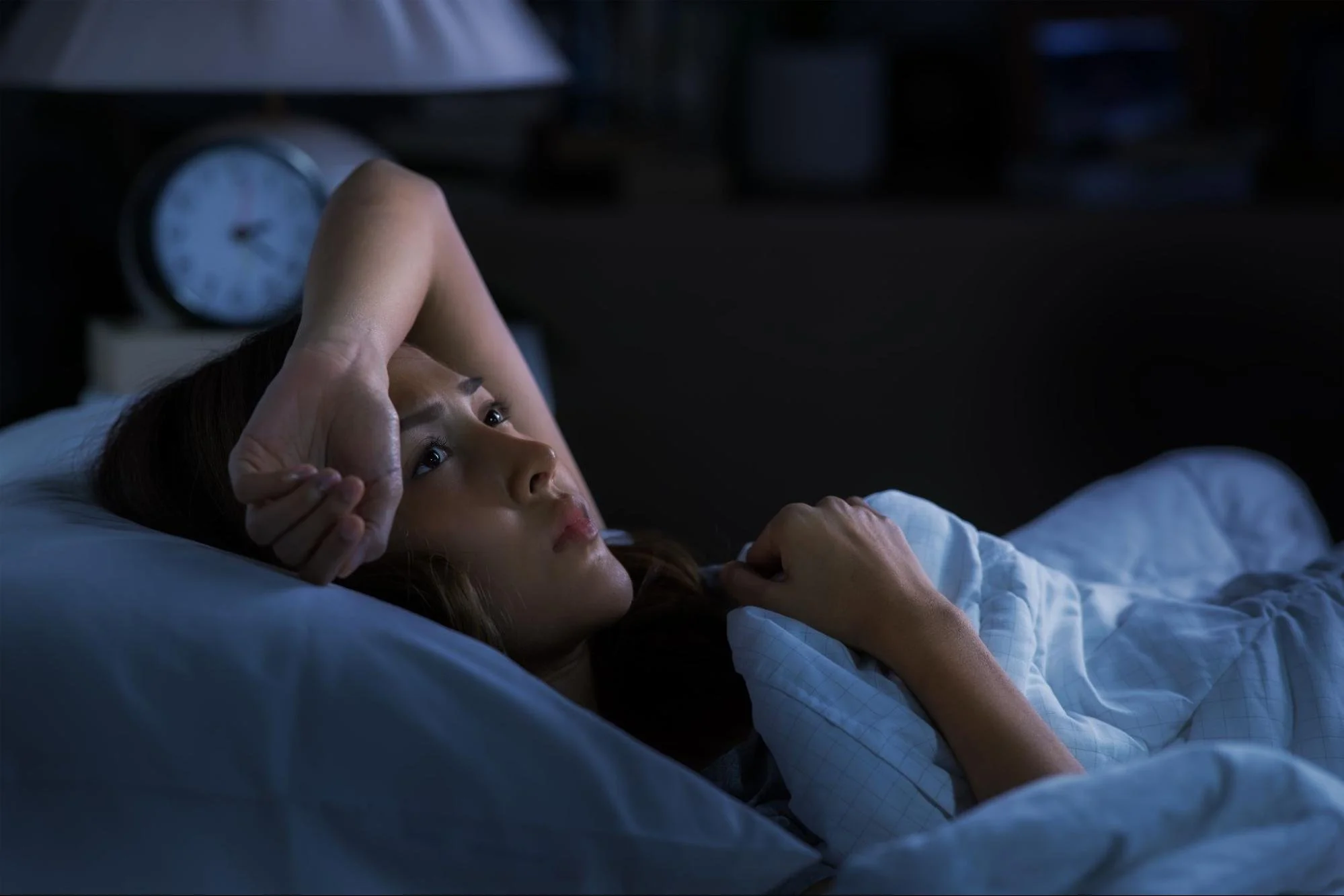
When Nighttime Anxiety Feels Persistent
Occasional nighttime anxiety is common, but if it consistently interferes with sleep, relationships, or daily functioning, it may be helpful to explore deeper support. Anxiety often has roots in unprocessed stress, trauma, or long-standing patterns of self-protection.
Therapy offers a space to understand your nervous system, learn regulation tools, and gently address the underlying causes of anxiety, not just the symptoms.
Moving Forward With Compassion
If anxiety feels worse at night, it doesn’t mean you’re regressing or failing to cope. It often means your system is asking for attention, care, and safety after a long day of holding things together.
Healing doesn’t come from fighting your anxiety; it comes from listening to it with curiosity and responding with support.
You don’t have to navigate this alone.
If nighttime anxiety is impacting your sleep or quality of life, trauma-informed therapy can help you feel more grounded, regulated, and at ease.
Schedule a free 20-minute consultation with Raina Wadhawan, LMHC, and take the next step toward understanding and calming your anxiety with compassion and care.