
High-Functioning Anxiety: What It Looks Like and How to Manage It
High-functioning anxiety is often invisible to others and sometimes even to the person experiencing it. On the outside, you may appear organized, successful, reliable, and driven. On the inside, there may be constant pressure, self-criticism, racing thoughts, or a persistent sense that you’re never doing “enough.” Because productivity remains high, this form of anxiety often goes unnoticed, minimized, or even praised.
If this resonates with you, it’s important to know that high-functioning anxiety is not a character flaw or a sign of weakness. It is often a nervous system adaptation, one that developed to keep you safe, accepted, or in control.
What Is High-Functioning Anxiety?
High-functioning anxiety is not a formal clinical diagnosis, but it is a widely recognized experience. It describes individuals who meet responsibilities and expectations while internally struggling with chronic anxiety.
Rather than feeling paralyzed by anxiety, people with high-functioning anxiety often respond by doing more. Achievement, productivity, and preparedness become ways to manage internal distress.
Common internal experiences may include:
Constant worry or overthinking
Fear of failure or disappointing others
Difficulty relaxing or being present
A harsh inner critic
Physical tension, fatigue, or sleep difficulties
Outwardly, this can look like competence and confidence. Internally, it can feel exhausting and unsustainable.
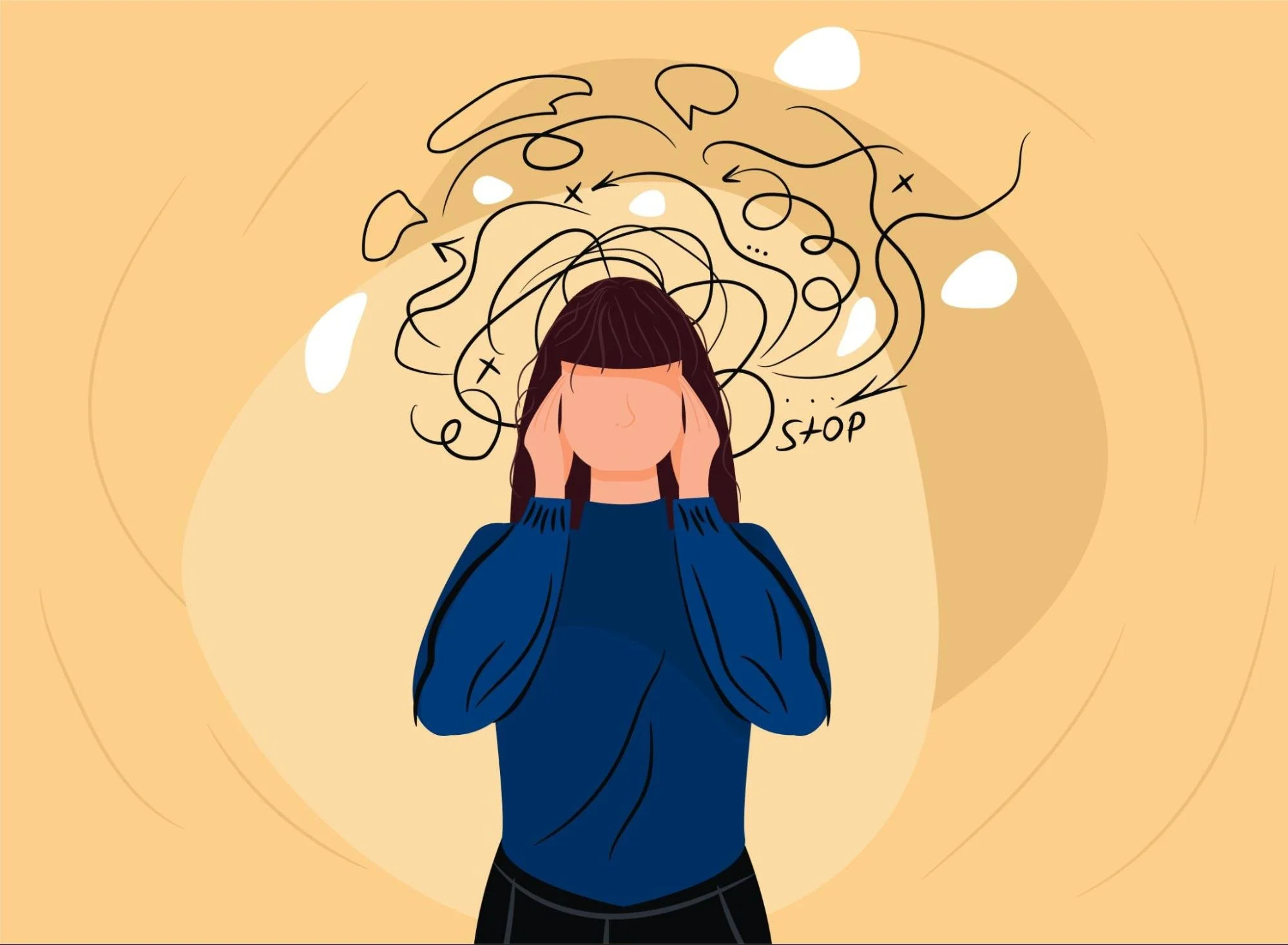
What High-Functioning Anxiety Can Look Like Day to Day
High-functioning anxiety often blends into daily life, making it hard to recognize. You might notice patterns such as:
Overpreparing for meetings, conversations, or tasks
Saying “yes” even when overwhelmed
Feeling uneasy when things slow down
Equating self-worth with productivity
Struggling to rest without guilt
Because these behaviors are often rewarded, especially in work and caregiving roles, anxiety can become deeply reinforced.
According to the Anxiety & Depression Association of America, anxiety disorders frequently coexist with perfectionism and high achievement, which can mask emotional distress and delay support.
Why High-Functioning Anxiety Develops
High-functioning anxiety often has roots in early experiences where safety, approval, or stability felt conditional. You may have learned consciously or unconsciously that being capable, responsible, or “on top of things” was a way to reduce conflict, receive validation, or stay connected.
From a nervous system perspective, this makes sense. When control, performance, or vigilance once helped you cope, your body may still rely on those strategies even if they now come at a cost.
This type of anxiety is less about lack of ability and more about chronic activation. Your nervous system may remain in a low-grade fight-or-flight state, constantly scanning for what needs to be fixed, improved, or anticipated next.
The Cost of Always “Holding It Together”
While high-functioning anxiety can look manageable, it often leads to burnout, emotional disconnection, and physical symptoms over time. Common long-term effects include:
Chronic stress or fatigue
Difficulty enjoying accomplishments
Emotional numbness or irritability
Sleep disturbances
Increased risk of anxiety or depressive disorders
The American Psychological Association notes that prolonged anxiety can impact both mental and physical health, even when outward functioning remains intact.

How to Manage High-Functioning Anxiety
Managing high-functioning anxiety doesn’t mean losing your drive or ambition. It means learning to support your nervous system so productivity is not fueled by fear.
1. Begin Noticing the Internal Experience
Instead of focusing only on outcomes, gently check in with how tasks feel in your body. Are you tense, rushed, or holding your breath? Awareness is the first step toward regulation.
2. Separate Worth From Productivity
Practice noticing when self-worth becomes tied to output. You might gently remind yourself: “I am valuable even when I am resting.” This may feel uncomfortable at first, and that discomfort is worth exploring with compassion.
3. Build in Nervous System Regulation
Small, consistent practices can help your system shift out of chronic activation. This might include slow breathing, grounding exercises, stretching, or moments of intentional pause throughout the day.
4. Practice Setting Boundaries
High-functioning anxiety often leads to overextension. Learning to say no or not right now is a way of signaling safety to your nervous system.
5. Allow Support
Because high-functioning anxiety can feel “manageable,” many people delay seeking help. Therapy offers a space to understand the roots of anxiety, learn regulation tools, and develop a relationship with yourself that is not driven by pressure or performance.
Moving Toward a More Sustainable Way of Living
High-functioning anxiety may have helped you survive and succeed, but you deserve more than just getting through the day. You deserve ease, rest, and a sense of safety that doesn’t depend on constant effort.
Healing doesn’t mean giving up who you are. It means learning to care for your nervous system so your life feels more spacious, grounded, and aligned.
You don’t have to navigate this alone.
If you recognize yourself in high-functioning anxiety and are ready for a more supportive way of living, therapy can help.
Schedule a free 20-minute consultation with Raina Wadhawan, LMHC, and take the next step toward understanding and managing anxiety with compassion and care.